
E-commerce retention is built on discipline, not luck. If customers return, it is usually because the store made the next step obvious, useful, and low-friction. The work is simple to describe and hard to fake: make the first purchase smooth, make the second purchase relevant, and make the relationship feel worth keeping.
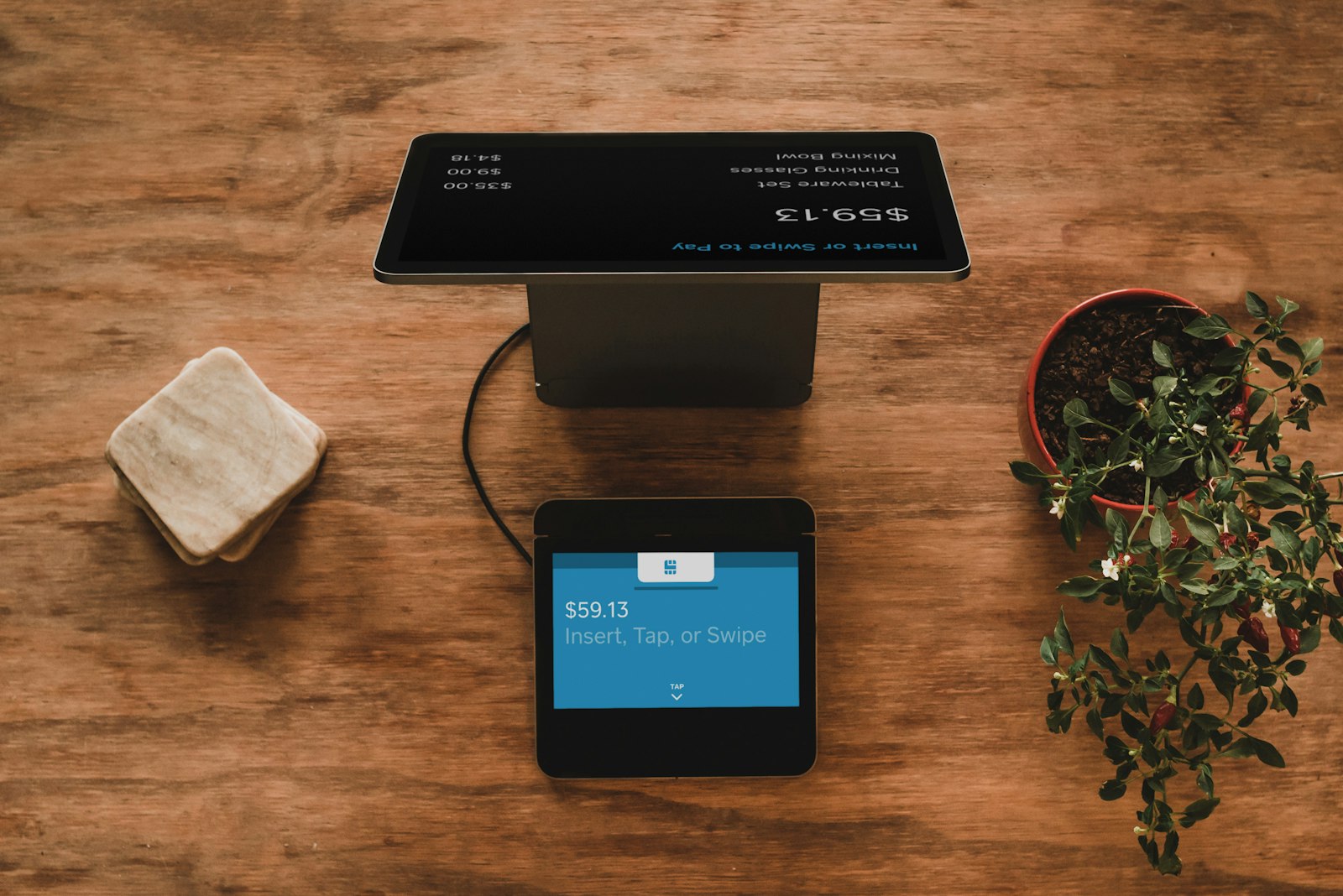
Introduction to customer retention
Customer retention starts after checkout. The goal is not to push harder on every visitor. The goal is to earn a second visit, a second order, and eventually a habit. That requires a baseline: clear product pages, reliable checkout, honest shipping expectations, and follow-up that respects the customer’s time.
For a broader framework on customer trust and lifecycle thinking, see Shopify’s retention guide and the customer retention overview on Wikipedia. The concepts are widely used for a reason: repeated purchase behavior is usually built, not wished into existence.
Loyalty programs
A loyalty program should reward repeat behavior without creating confusion. Keep the rule set short. Customers should know how points, tiers, or credits are earned and what they can do with them. If the program needs a manual to explain the value, the program is already leaking trust.
- Reward repeat purchases with a clear point or credit structure.
- Offer early access, free shipping, or members-only bundles where it makes sense.
- Use expiration rules carefully so the benefit feels fair, not punitive.
For practical loyalty mechanics, BigCommerce’s retention article gives a useful overview of common program structures. The lesson is straightforward: loyalty systems work when they reduce friction and create visible value.
Personalized marketing
Personalization should feel relevant, not invasive. The strongest version is simple: recommend products based on past purchase behavior, send follow-up messages tied to real use cases, and time offers around the customer’s likely replenishment cycle.
- Segment by purchase history, not by guesswork.
- Use abandoned cart and browse reminders sparingly and with a clear exit path.
- Match email content to the customer’s stage in the journey.
HubSpot’s overview of personalization in marketing is a solid reminder that relevance beats volume. A smaller number of well-timed messages usually does more work than a louder inbox.
On the operational side, the retention question is simple: does the customer receive the next useful message before they forget why they bought from you? If not, the campaign is late.
Customer feedback and engagement
Retention improves when customers can speak and be heard. Post-purchase surveys, product reviews, and support follow-up all create feedback loops. The point is not to collect praise. The point is to find failure modes before they become churn.
- Ask for feedback after delivery, not only after purchase.
- Track repeated complaints about shipping, sizing, returns, or product fit.
- Respond publicly where appropriate and resolve issues quickly.
Google’s helpful content guidance is useful here even outside SEO: content and communication should solve real problems, not just fill a slot in the funnel.
Strong engagement also means a visible path back to the store. Keep the home page and the e-commerce services page easy to find so visitors can move from curiosity to action without searching for the door.
Conclusion
Retention is a system. The stores that hold customers usually do a few things well: they make the buying experience dependable, they reward repeat behavior clearly, they personalize with restraint, and they listen before small issues become permanent losses.
If you want a simple operating rule, use this one: improve one retention step, measure it, then fix the next failure mode. That is slower than hype and more effective than hope.
Ready to tighten your retention path? Review your loyalty flow, refresh your post-purchase messages, and make sure customers always have a clear way back to the store.